Industrial Roof Coating Systems for Large Facilities
Large industrial facilities depend on roofing systems to protect operations, equipment, inventory, workers, and building infrastructure. When a roof begins to age, crack, leak, or lose surface protection, the risk is not limited to the roof itself.
Water intrusion can affect production areas, electrical systems, stored materials, safety conditions, insulation, structural components, and interior finishes. For industrial buildings, even a small leak can become a costly operational issue.
That is why many facility managers, plant operators, warehouse owners, and industrial property managers evaluate industrial roof coating systems before moving directly to full roof replacement.
A properly selected roof coating system can help restore surface protection, improve weather resistance, reduce leak risks, and extend the useful life of a large facility roof.
What Is an Industrial Roof Coating System?
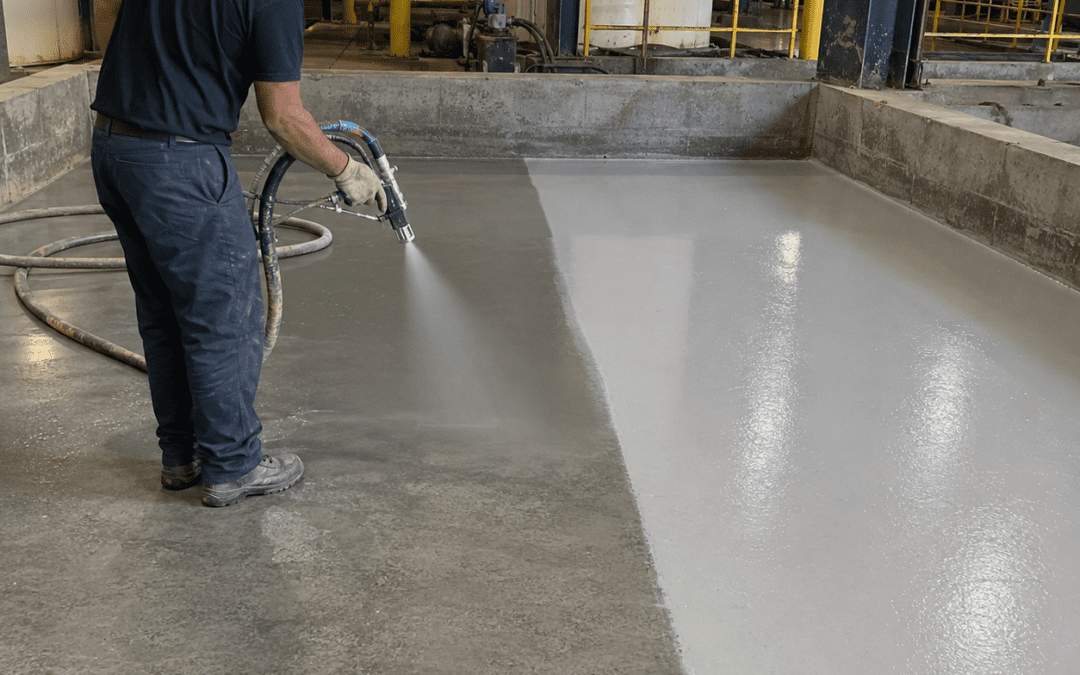
An industrial roof coating system is a protective fluid-applied system installed over an existing roof surface to help seal, protect, and extend roof performance.
These systems are commonly used on large commercial and industrial facilities where the existing roof may still be structurally usable but needs additional protection against water, UV exposure, weathering, and surface deterioration.
Industrial roof coatings are not simply paint. They are designed to form a protective membrane over the roof surface. Depending on the system, coatings may help seal seams, reinforce vulnerable areas, improve waterproofing, and protect the existing roofing assembly from further wear.
For large facilities, the goal is usually asset protection. A coating system can help reduce roof-related disruption while supporting a longer-term maintenance plan.
Why Large Facilities Use Roof Coatings
Large industrial buildings often have wide roof spans, exposed surfaces, drainage areas, penetrations, seams, equipment curbs, and areas where water can collect. Over time, these conditions can create failure points.
Roof coating systems are often used to address issues such as:
- Aging roof surfaces
- Minor leaks
- Seam deterioration
- UV exposure
- Standing water concerns
- Surface cracking
- Weather-related wear
- Roof membrane degradation
- Maintenance cost control
- Extended roof service life
For large facilities in Alabama and across the Southeast, roof systems are often exposed to heat, humidity, heavy rain, storms, and year-round weather changes. These conditions can accelerate roof wear when surfaces are not properly maintained.
Industrial Roof Coatings vs Roof Replacement
A roof coating system is not always a substitute for roof replacement.
If the existing roof is structurally unsound, severely saturated, poorly attached, or beyond repair, replacement may be the better long-term decision. However, if the roof is still in serviceable condition, a coating system may help delay replacement and improve protection.
The key is evaluation.
Before choosing a coating system, an industrial roofing professional should assess the roof surface, drainage, seams, penetrations, previous repairs, substrate condition, moisture issues, and overall roof integrity.
When the existing roof is a good candidate, coating may offer a lower-disruption asset protection option compared to a complete tear-off and replacement.
Benefits of Roof Coatings for Large Facilities
Industrial roof coating systems can provide several practical benefits for large facilities.
Extended Roof Life
A coating system can help extend the useful life of an existing roof by adding a protective surface layer. This can help reduce direct exposure to UV rays, rain, and weather-related wear.
Reduced Leak Risk
Coatings can help seal vulnerable areas such as seams, transitions, penetrations, and surface cracks when the system is properly prepared and installed.
Lower Operational Disruption
Compared to full roof replacement, coating projects may reduce disruption to daily facility operations. This can be important for plants, warehouses, logistics centers, and production facilities.
Asset Protection
Roof coatings help protect the building envelope, interior assets, production areas, equipment, and stored materials from water intrusion and weather-related damage.
Maintenance Planning
Coating systems can be part of a planned roof maintenance strategy. This allows facility teams to address aging roof surfaces before problems become more expensive.
Common Types of Industrial Roof Coatings
Different roof coating systems are used for different facility needs. The right system depends on the roof type, exposure, slope, drainage, existing materials, and performance goals.
Acrylic Roof Coatings
Acrylic coatings are often used for reflective roof protection and UV resistance. They may be a practical option for certain large facility roofs where drainage is appropriate and standing water is not a major concern.
Silicone Roof Coatings
Silicone coatings are often selected for moisture resistance and ponding water tolerance. They can be used on certain roofs where water exposure is a concern, depending on roof conditions and system design.
Polyurethane Roof Coatings
Polyurethane coatings can provide strong durability and abrasion resistance. They may be used in areas with foot traffic, equipment access, or tougher service conditions.
Polyurea and Spray-Applied Systems
Polyurea and other spray-applied systems may be used in demanding industrial environments where fast cure time, seamless protection, flexibility, and durability are important. These systems require experienced application and careful surface preparation.
The best coating type should be selected based on the facility, not by product name alone.
When Is a Large Facility Roof a Good Candidate for Coating?
A large facility roof may be a good candidate for coating when the roof is aging but still structurally sound.
Good candidates often include roofs with:
- Surface wear but manageable damage
- Minor leaks or vulnerable seams
- UV-related deterioration
- Repairable cracks or defects
- Serviceable substrate condition
- Adequate roof attachment
- Manageable moisture levels
- A need to extend roof life
- A desire to avoid full replacement disruption
A coating system should not be installed over a roof with serious trapped moisture, widespread substrate failure, major structural issues, or poor adhesion conditions.
Surface Preparation Is Critical
Roof coating performance depends heavily on surface preparation.
Before installation, the roof may need cleaning, debris removal, pressure washing, repair of damaged areas, seam reinforcement, flashing attention, rust treatment, adhesion testing, and moisture evaluation.
If a coating is installed over a dirty, wet, unstable, or poorly prepared surface, it may not adhere properly. This can lead to peeling, blistering, leaks, and premature failure.
For large industrial roofs, preparation is especially important because small defects can become larger issues across wide roof areas.
Roof Coatings and Water Intrusion Prevention
One of the main reasons facilities consider roof coatings is to reduce water intrusion risk.
Large roofs often include penetrations, drains, vents, curbs, HVAC units, seams, transitions, and edges. These areas can become entry points for water when they age or separate.
A properly designed coating system can help reinforce these vulnerable areas and create a more continuous protective surface.
However, roof coatings must be installed as part of a complete system. Simply applying coating over problem areas without addressing drainage, damaged materials, failed seams, or trapped moisture may only delay the issue.
Roof Coatings for Alabama Industrial Facilities
Industrial facilities in Alabama face demanding roof conditions.
Heat, humidity, heavy rain, storm activity, and seasonal weather changes can all affect roof performance. Large buildings such as manufacturing plants, warehouses, distribution centers, municipal buildings, processing facilities, and industrial sites need roofing systems that can handle these conditions.
For Alabama facilities, roof coating systems may be useful when the goal is to improve protection, extend roof life, and manage long-term facility maintenance without immediately moving into full replacement.
The right approach begins with a roof assessment and a coating system matched to the building’s conditions.
Industrial Roof Coating Systems and Long-Term Asset Protection
For large facilities, roof maintenance is not just a building issue. It is an asset protection issue.
A failing roof can affect operations, safety, production, inventory, equipment, and long-term property value. A proactive coating strategy can help facility teams manage risk before water intrusion becomes a larger problem.
Industrial roof coating systems can help protect the existing roof, reduce exposure, and provide a practical maintenance path when replacement is not yet required.
Southern Industrial Linings works with industrial, municipal, and commercial clients to evaluate protective coating needs and recommend systems designed for demanding facility environments.
Areas We Serve
Southern Industrial Linings serves industrial, municipal, and commercial clients in Alabama, across the Southeast, and throughout the United States.
Our team supports large facilities that need protective coating solutions for roofing, containment, tanks, industrial floors, concrete surfaces, steel structures, and high-use industrial environments.
Frequently Asked Questions
What are industrial roof coating systems?
Industrial roof coating systems are fluid-applied protective systems installed over existing roof surfaces to help seal, protect, and extend roof performance. They are often used on large commercial and industrial facilities.
Are roof coatings a replacement for a new roof?
Not always. Roof coatings can extend the life of a serviceable roof, but they are not a substitute for replacement when the roof has major structural failure, severe moisture issues, or widespread deterioration.
When should a large facility consider roof coating?
A large facility should consider roof coating when the roof is aging but still structurally sound, especially if the goal is to reduce leak risk, improve protection, and delay full replacement.
What types of roofs can be coated?
Many industrial roof types may be candidates for coating, depending on the existing roof material, condition, adhesion, drainage, and moisture levels. A professional roof assessment is needed before choosing a system.
How do roof coatings help protect large facilities?
Roof coatings help protect large facilities by adding a protective surface layer, sealing vulnerable areas, reducing weather exposure, and helping manage water intrusion risk.
Why is surface preparation important for roof coatings?
Surface preparation is critical because coatings need a clean, stable, properly prepared surface to adhere correctly. Poor preparation can lead to coating failure, leaks, peeling, or blistering.
Are roof coatings good for Alabama industrial buildings?
Roof coatings can be a strong option for Alabama industrial buildings when the existing roof is a good candidate. Heat, humidity, rain, and storm exposure make proactive roof protection especially important.
How do I know if my facility roof can be coated?
The best way to know is to schedule a roof evaluation. The roof should be inspected for surface condition, moisture, drainage, seams, penetrations, adhesion potential, and structural integrity.
Need to protect a large industrial roof before small issues become expensive facility problems?
Southern Industrial Linings can evaluate your roof conditions and recommend coating systems designed for long-term asset protection. Contact our team to discuss industrial roof coating systems for large facilities in Alabama, across the Southeast, and throughout the United States.