Blog
Abrasive Blasting vs. Other Prep Methods for Industrial Coatings in Tennessee
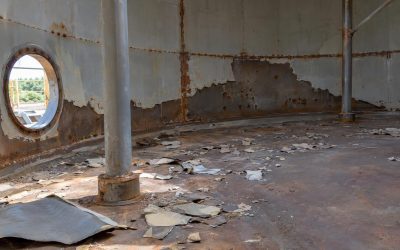
Abrasive blasting is often the strongest choice when an industrial coating project requires broad removal of rust or failed coating and a defined surface profile for adhesion. Other preparation methods can be better when access is limited, dust must be reduced, the...
Chemical-Resistant Coatings for Industrial Facilities: A Selection Guide
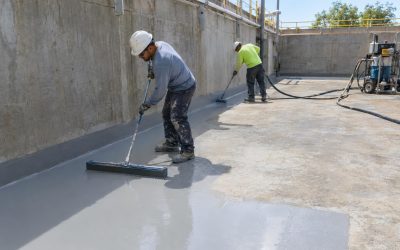
Chemical-resistant coatings for industrial facilities should be selected from the actual exposure—not from a generic claim that a product resists chemicals. For a facility manager in the Southeast, the decision starts with the chemical name, concentration,...
Secondary Containment for Environmental Protection Compliance
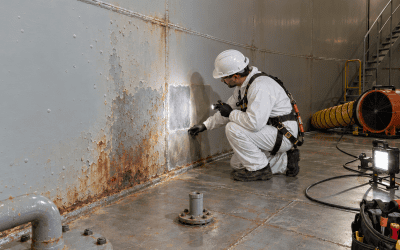
Secondary containment environmental compliance depends on creating a reliable backup barrier that can capture leaks or spills before hazardous materials reach soil, groundwater, drains, or surrounding property. For industrial facilities handling oils, fuels,...

Industrial Tank Inspection: When to Recoat or Repair
An industrial tank inspection helps determine whether coating deterioration can be addressed with localized repair or recoating—or whether corrosion, leaks, substrate damage, or structural concerns require more extensive tank repair. That distinction matters. A...

Cooling Tower Rehabilitation vs Replacement
A cooling tower showing corrosion, leaks, deteriorated coatings, damaged fill, or reduced performance does not automatically need to be replaced. In many cases, rehabilitation can restore critical components, protect the underlying structure, reduce leaks, improve...
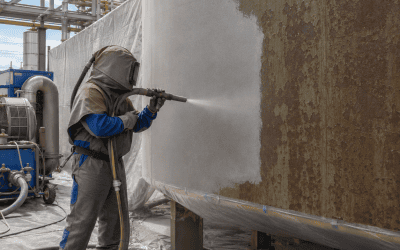
Industrial Surface Preparation: Why It Determines Coating Success
A high-performance industrial coating is only as reliable as the surface beneath it. Facility owners sometimes focus heavily on selecting the coating or lining system: epoxy, polyurea, protective membrane, chemical-resistant lining, or another specialized material....
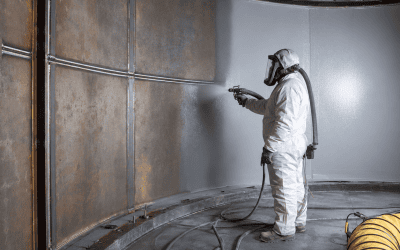
Tank Relining Process: Step-by-Step Breakdown
The tank relining process restores an existing industrial, municipal, or commercial tank by addressing deterioration, preparing the substrate, installing a compatible lining system, and verifying the completed work before the tank returns to service. Quick Answer...

Containment Systems for Oil & Gas Facilities
Containment systems for oil and gas facilities help control leaks, spills, and chemical exposure by creating durable barriers around tanks, transfer areas, processing equipment, and other high-risk operating zones. Quick Answer Oil and gas containment systems are...
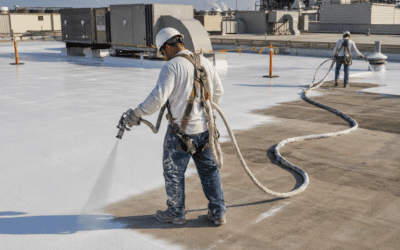
Polyurea vs Epoxy: Which Is Best for Industrial Use?
Polyurea vs Epoxy for Industrial Use Industrial facilities need coating systems that can handle heavy use, chemical exposure, moisture, abrasion, impact, and changing operating conditions. Two of the most common options are polyurea and epoxy. Both systems can protect...
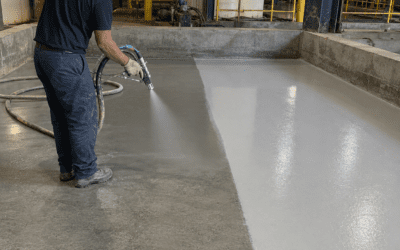
Industrial Roof Coating Systems for Large Facilities
Industrial Roof Coating Systems for Large Facilities Large industrial facilities depend on roofing systems to protect operations, equipment, inventory, workers, and building infrastructure. When a roof begins to age, crack, leak, or lose surface protection, the risk...