Introduction
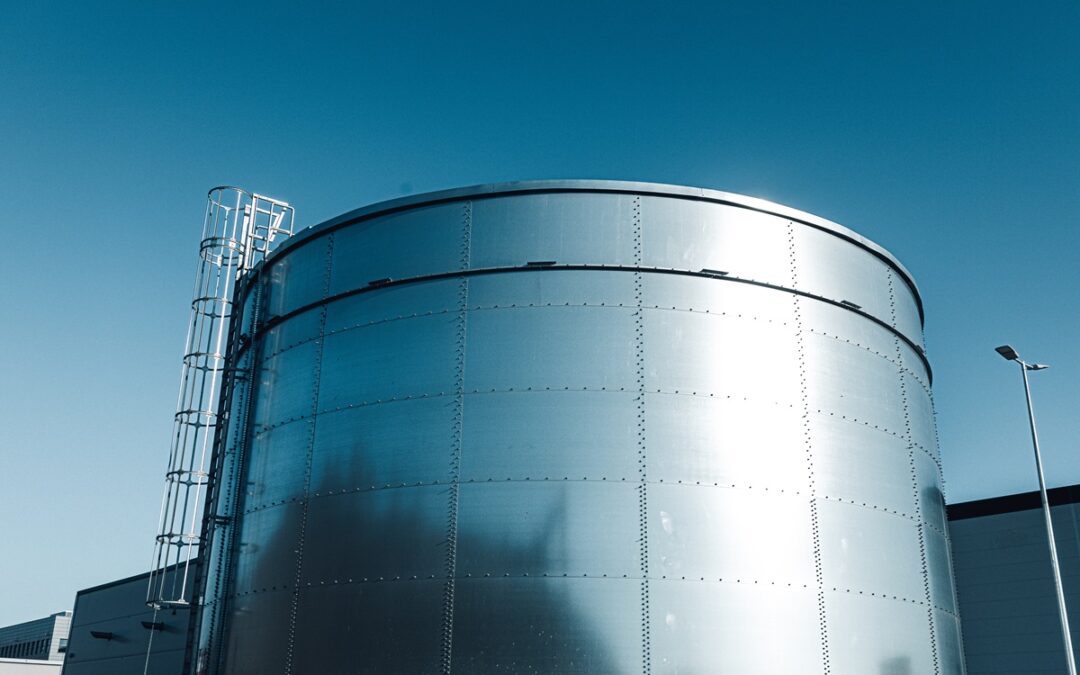
Bolted-steel storage tanks remain a staple across industries — from water and wastewater, municipal utilities and chemical storage, to fuel terminals, wastewater, and industrial process plants. But over time, bolted tanks are vulnerable to corrosion, leaks, gasket failure, shell weakness, and seam deterioration — problems that can lead to costly downtime, environmental risk, or even complete tank failure. At Southern Industrial Linings, we specialize in bolted tank repair and relining, using advanced materials like polyurea to restore structural integrity, seal seams, and dramatically extend service life. This guide explains exactly why bolted tanks need repair, what can be done, and how to choose the right repair approach.
✅ Q&A on Bolted Tank Repair
Q1: What is a “bolted tank,” and why do these tanks need special maintenance or repair?
A: A “bolted tank” is a storage vessel assembled from pre-fabricated steel plates (shell panels), joined by bolts and sealed with gaskets or sealants, rather than welded together. These tanks are popular for their relative cost, ease of transport, and flexibility in sizing.
However, every bolt, seam, gasket joint, and plate edge becomes a potential point of weakness — especially under long-term exposure to moisture, chemicals, temperature shifts or vibration. Seams can begin to leak, gaskets degrade, bolts can corrode or loosen, and coating systems (especially the original shop-applied coatings) can deteriorate over time. That’s why bolted tanks require regular inspection, maintenance, and — often — professional repair or relining.
Q2: What kinds of problems typically lead to bolted tank failure?
A: Common issues in aging or stressed bolted tanks include:
-
Corrosion — especially where original coatings break down or seams/gaskets allow water ingress.
-
Seam and gasket failure — over time, gaskets may dry out or lose integrity; bolts may loosen or corrode.
-
Coating degradation — original factory coatings often fail under chemical exposure, agitation, or repeated cycles; glass-lined or shop coatings can’t always be restored in-place properly. STI/SPFA+2Forge Global+2
-
Structural damage or impact — tank settlement, foundation movement, impact, or stress can damage plates, shell, or foundation.
-
Leaks, permeation, or product contamination — especially problematic for potable water, wastewater, chemical, or fuel storage tanks.
If these issues are not addressed, they can lead to serious consequences — leaks, shutdowns, environmental violations, or tank failure.
Q3: What repair and restoration options exist for bolted tanks?
A: Depending on the condition of the tank, storage contents, and usage, there are several repair and restoration strategies available:
| Repair Strategy | When It’s Used / Benefits |
|---|---|
| Coating or Relining (e.g., polyurea) | When the tank is structurally sound but suffers from corrosion, coating failure, or seam leaks. A new lining seals seams, bolt heads, and welds — creating a continuous protective barrier. Southern Industrial Linings llc+2US FUSION+2 |
| Patch / Weld / Plate Repair | For localized damage such as holes, cracks, or pitting. Patch plates or welding can restore structural integrity. |
| Shell Panel Replacement | If corrosion is extensive, shell panels may need to be replaced. Bolted tank design allows disassembly and panel replacement without replacing entire tank. |
| Foundation Repair or Tank Jacking / Leveling | When settlement or foundation issues cause stress on the tank, leveling or foundation repair prevents further damage or warping. |
| Full Tank Rehabilitation / Turnkey Repair | For tanks intended for long service life or repurposed for a different product (e.g. water to chemical storage), full relines plus upgrades may be necessary. |
In many cases, combining abrasive blasting or surface preparation + polyurea or high-grade lining + seam/bolt sealing offers the best balance of durability, compliance, and cost-effectiveness — especially for chemical, wastewater, or fuel storage. Southern Industrial Linings llc+2US FUSION+2
Q4: Why polyurea linings are often the best choice for bolted tank repair
A: At Southern Industrial Linings, we favor polyurea linings for bolted (and welded) steel tank repair — and here’s why polyurea stands out according to industry data and field results:
-
Seamless, monolithic membrane — polyurea bonds across bolt heads, seams, welds, and shell panels, sealing every potential leak path. Southern Industrial Linings llc+1
-
Chemical and abrasion resistance — excellent for tanks storing water, wastewater, fuel, industrial chemicals, or corrosive materials. A
-
Rapid cure & minimal downtime — polyurea can cure in seconds to minutes, allowing tanks to return to service very quickly. Faster than epoxy or traditional coatings, minimizing operational interruptions.
-
Flexibility & resistance to stress — polyurea linings can flex, absorb vibration, temperature shifts, and structural movement better than rigid coatings, reducing risk of cracking or seam separation — critical for bolted tanks. Treatment Plant Operator+1
-
Long-term durability & lower maintenance costs — properly applied polyurea linings can extend tank life dramatically, often outlasting traditional coatings and reducing life-cycle cost. Southern Industrial Linings llc+2Amtech Tank Lining+2
Because bolted tanks have many seam and joint vulnerabilities, polyurea’s full coverage and seamless bonding make it an ideal lining — especially when storing chemicals, fuel, wastewater, or aggressive substances.
Q5: What does a typical bolted tank repair process look like?
A: Here’s a high-level breakdown of a typical bolted-tank repair and relining project when using polyurea or advanced coating systems:
-
Initial inspection & evaluation — Inspect shell plates, seams, bolts, foundation, and original coating condition. Map corrosion, leaks, or structural damage.
-
Tank preparation & draining / cleaning — Empty the tank, remove all residues, clean surfaces, decontaminate chemical tanks if required.
-
Surface preparation (abrasive blasting / wet-blasting / dry-ice blasting) — Remove rust, scale, old coatings, contaminants; profile the steel to create adhesion surface. Southern Industrial Linings offers advanced blasting services for this step. Southern Industrial Linings llc+1
-
Bolt / seam sealing / minor repair (if needed) — Replace or tighten bolts, repair leaks, weld or patch damaged plates, ensure seams are structurally sound.
-
Application of polyurea / industrial-grade lining — Spray or apply a high-build, monolithic lining covering shell, seams, floor, roof, bolt heads — eliminating weak points.
-
Quality control testing / holiday detection / leak testing — After cure, conduct holiday detection (electrical continuity test), conduct coating inspections, pressure or leak tests if required.
-
Return to service & monitoring plan — Bring tank back online, schedule regular inspections, maintain or recoat corrosion-prone areas as needed.
This process can restore old bolted tanks to structural integrity and significantly extend their operational life — often at a fraction of the cost compared to replacement.
Q6: When does repair make sense vs. replacing the tank entirely?
A: Repair or relining is often more cost-effective and faster than replacement — especially when:
-
Tank shell and foundation remain structurally sound
-
Corrosion or coating failure is surface-level or limited to specific areas
-
The tank is being repurposed or updated for new service
-
Downtime must be minimized to avoid operational disruption
-
Environmental or compliance risk makes replacement hazardous
According to tank industry best-practice guides, properly maintained welded steel tanks can last over 100 years, while traditional bolted steel tanks often have a useful life estimate around 25–30 years — but this lifespan can be extended considerably with professional repair and protective coatings.
With a robust relining and maintenance plan (e.g., polyurea linings, blister-free coatings, regular inspections), many bolted tanks can far exceed their original lifespan, often delaying replacement by decades — and saving tens or hundreds of thousands in capital and downtime.
🛠 Why Choose Southern Industrial Linings for Your Bolted Tank Repairs
At Southern Industrial Linings, we bring together decades of industry-specific knowledge, advanced materials, and field-proven techniques to deliver superior bolted tank repair and relining services:
-
Expertise in both bolted and welded tank repair — we understand the unique challenges of bolt heads, seams, and shell panels. Southern Industrial Linings llc
-
Use of polyurea and industrial-grade coatings that form a monolithic, seamless barrier against corrosion, chemicals, leaks, and mechanical stress. Southern Industrial Linings 1
-
Comprehensive surface preparation (abrasive blasting, rust & contaminant removal) for maximum coating adhesion and prolonging lifespan. Southern Industrial Linings llc+1
-
Full-scope repair plans — from minor patch & recoat to full shell re-lining or shell panel replacement — tailored to your tank’s condition.
-
Rapid project turnaround, minimizing operational downtime, with proper testing & certification for safety and compliance.
If your facility relies on bolted steel storage tanks — whether for water, wastewater, chemicals, fuel, or industrial liquids — it’s worth evaluating the tank’s condition and exploring a professional repair and lining plan rather than risking leaks, environmental liability, or costly downtime.
👉 Request a Quote Today — let’s inspect, evaluate, and restore your tank to like-new condition with a guaranteed protective lining system.